At Sequoia Animal Hospital, we provide pet surgery in Tulare, CA, for dogs and cats. We welcome pet owners from Visalia, Farmersville, Tipton, and nearby communities throughout Tulare County. Whether your pet needs a planned procedure or evaluation for a surgical concern, our veterinary team will explain the recommendation, answer your questions, and help you understand what to expect before, during, and after surgery.
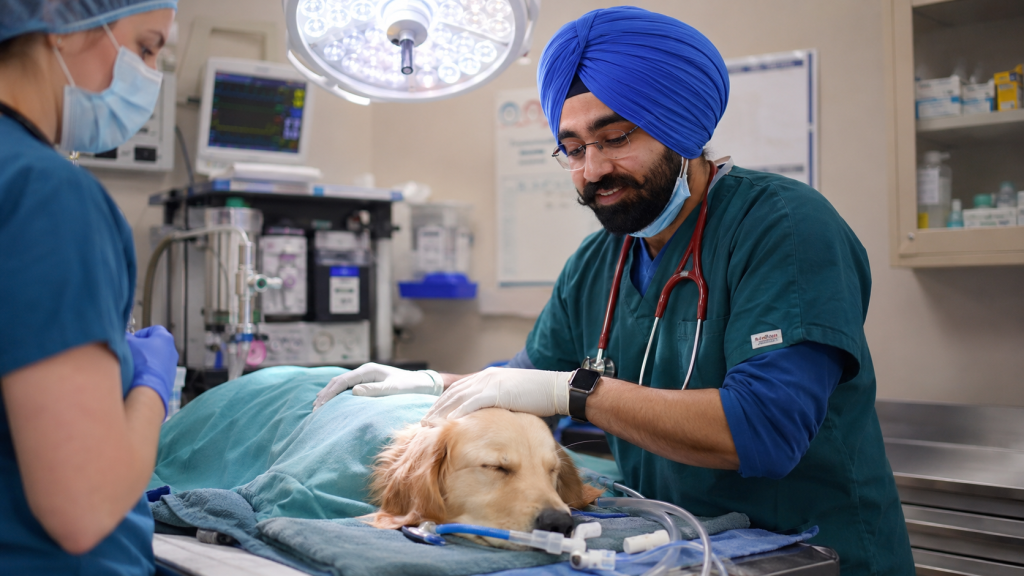
Veterinary Surgery for Dogs and Cats
Surgery can be an important part of veterinary care when a condition cannot be managed fully with medication, monitoring, or other treatments alone. Our team focuses on thoughtful planning, patient monitoring, pain management, and clear communication with you throughout the process.
Depending on your pet’s condition, surgical care may be recommended for concerns such as:
- Spay and neuter surgery
- Mass or lump removals
- Wound repair
- Foreign-body or soft-tissue concerns
- Abscesses or infected tissue
- Biopsy or diagnostic tissue sampling
- Advanced soft tissue surgery, including salivary gland removal, brachycephalic airway surgery, TECA, feline PU surgery, and other selected procedures
- Orthopedic surgery for selected bone, joint, ligament, or mobility conditions
- Other procedures recommended by our veterinarian after an examination
For information about procedures such as salivary gland removal, brachycephalic airway surgery, total ear canal ablation (TECA), feline PU surgery, corkscrew tail caudectomy, and anal gland sacculectomy, visit our Soft Tissue Surgery page.
For pets with bone, joint, ligament, fracture, or mobility concerns, our orthopedic surgery page explains orthopedic evaluations, treatment planning, and selected orthopedic procedures available through Sequoia Animal Hospital when appropriate.
If your pet needs a procedure that requires specialty care, we can discuss referral options and help guide the next step.
When Might Your Pet Need Surgery?
Some surgeries are planned in advance, while others are recommended after a pet develops a specific health problem. A physical examination helps us evaluate the concern and determine whether surgery, diagnostic testing, medical treatment, or referral is the most appropriate option.
Please contact us if your pet has:
- A new lump, bump, swelling, or growth
- A wound, bite injury, or skin infection that is not healing
- Repeated vomiting, abdominal pain, or suspected ingestion of a foreign object
- Ongoing discomfort, limping, or signs of pain
- A condition another veterinarian has recommended for surgical evaluation
- A need for an elective procedure such as spay or neuter surgery
We will help you understand whether your pet should be seen promptly and what information to bring to the appointment.
Pre-Surgical Exams and Safety Screening
Before surgery, our veterinary team will review your pet’s health history, current medications, previous anesthetic experiences, and any recent symptoms or concerns. A pre-surgical examination helps us identify factors that may affect anesthesia, monitoring, pain control, and recovery.
Depending on your pet’s age, health, and procedure, we may recommend:
- A physical examination before surgery
- Pre-anesthetic bloodwork
- Additional laboratory testing when appropriate
- Digital X-rays or veterinary ultrasound when needed
- Review of your pet’s vaccination status
- Instructions for food, water, and medications before the procedure
If screening identifies a concern, we may adjust the plan, recommend additional diagnostics, stabilize your pet first, or discuss whether referral is the safest option.
Anesthesia and Patient Monitoring
Many pet surgeries require anesthesia. When anesthesia is recommended, we develop a plan based on your pet’s health, the procedure being performed, and the level of monitoring and pain control needed.
During surgical care, monitoring may include attention to:
- Heart rate and rhythm
- Breathing and oxygenation
- Temperature
- Blood pressure when appropriate
- Anesthetic depth
- Comfort during recovery
Our team will explain the recommended plan and answer your questions before your pet’s procedure.
Pain Management Before, During, and After Surgery
Pain management is an important part of surgical care. We consider the type of procedure, your pet’s age, medical history, comfort level, and recovery needs when developing a pain-control plan.
Your pet’s pain-management plan may include:
- Medication before or during the procedure
- Medication to continue at home
- Activity restriction during recovery
- Incision protection when needed
- Follow-up communication or recheck visits
- Adjustments based on your pet’s response and comfort
Please tell us if your pet has had side effects from pain medications in the past or has any liver, kidney, stomach, bleeding, or chronic health concerns.
Preparing for Your Pet’s Surgery
Before your pet’s procedure, we will provide instructions specific to your pet and the surgery being performed. Following these instructions helps reduce delays and supports a safer, smoother experience.
Before surgery day, you may be asked to:
- Follow food and water instructions carefully
- Tell us about all medications, supplements, and preventives your pet receives
- Report any coughing, vomiting, diarrhea, appetite changes, or behavior changes
- Bring any requested records from another veterinary hospital
- Ask questions about the procedure, estimate, risks, and recovery expectations
- Plan a quiet recovery space at home
- If your pet also needs permanent identification, ask whether pet microchipping can be coordinated with a scheduled procedure when appropriate.
If your pet becomes especially anxious at the veterinary hospital, let us know ahead of time. We may be able to discuss ways to reduce stress and make the visit easier.
What to Expect After Pet Surgery
Recovery instructions vary depending on the procedure. We will send your pet home with guidance for activity, medications, incision care, feeding, and follow-up. Please read the instructions carefully and call us if anything is unclear.
After surgery, contact our team if you notice:
- Bleeding, discharge, swelling, or opening at the incision
- Repeated vomiting or diarrhea
- Difficulty breathing or extreme weakness
- Refusal to eat for longer than expected
- Signs of significant pain or distress
- Any concern that your pet is not recovering as expected
Our goal is to help your pet recover as comfortably and safely as possible. For selected patients, veterinary laser therapy may also be recommended as part of a broader recovery, inflammation, or comfort plan.
Common Questions About Pet Surgery
Will my pet need a wellness exam before surgery?
Many pets need an examination before surgery so we can understand their current health and identify any concerns before anesthesia. If your pet has not been seen recently, we may recommend a wellness exam or surgical consultation first.
Is surgery safe for senior pets?
Age alone does not always rule out surgery, but senior pets often need more careful screening and planning. We will discuss your pet’s health, the expected benefit of surgery, and any added risks before moving forward.
Can Sequoia Animal Hospital perform every surgery?
Sequoia Animal Hospital performs a range of routine and advanced soft tissue surgeries, as well as selected orthopedic procedures. Complex or highly specialized procedures may still require referral. If specialty care is best for your pet, we will explain why and help guide you toward appropriate options.
Schedule Pet Surgery in Tulare, CA
Pet surgery in Tulare begins with a careful evaluation and a clear conversation about your pet’s needs. Our team is here to explain your options and help you make an informed decision for your dog or cat.
Contact Sequoia Animal Hospital to schedule a surgical consultation or ask whether your pet should be examined for a surgical concern.
Reviewed for accuracy by Dr. Deol and the Sequoia Animal Hospital veterinary team.