Looking for patellar luxation surgery for dogs in Tulare, CA? Sequoia Animal Hospital provides orthopedic evaluation and selected surgical care for dogs with kneecap instability, skipping, limping, knee pain, and mobility problems.
Patellar luxation means the kneecap moves out of its normal position. Some dogs show only occasional skipping or hopping, while others have ongoing lameness, pain, stiffness, or difficulty using the affected leg. Treatment depends on the severity of the luxation, your dog’s symptoms, diagnostic findings, and overall orthopedic health.
Sequoia Animal Hospital’s orthopedic services are supported by veterinary experience in knee evaluation, patellar luxation repair, fracture repair, TPLO surgery, and related orthopedic planning. Each dog is evaluated individually so our team can recommend the safest, most practical treatment path.
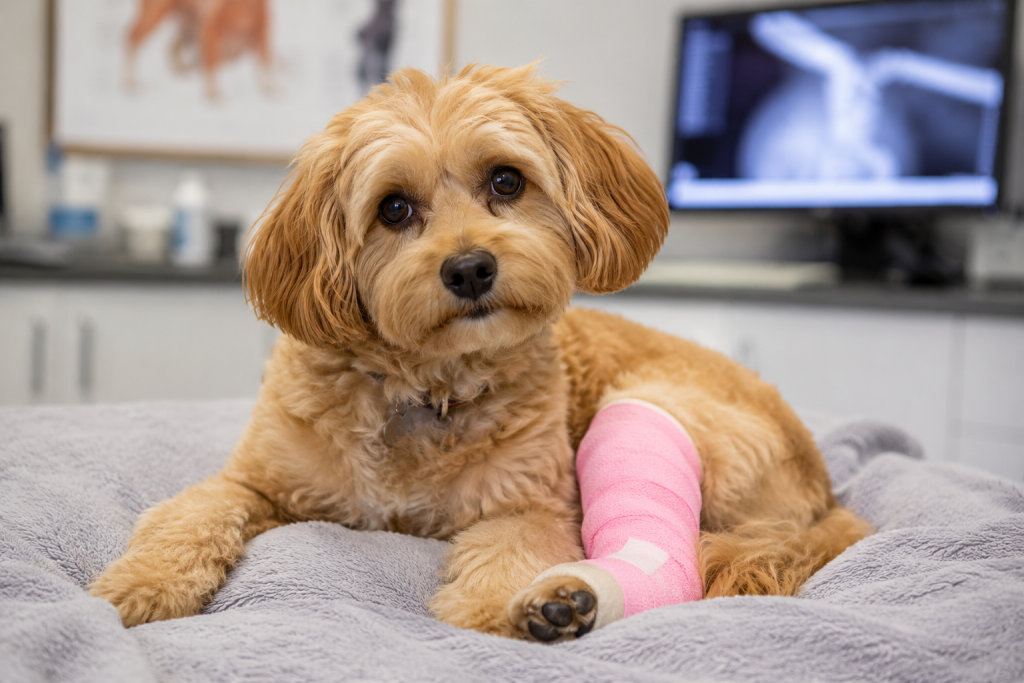
What Is Patellar Luxation in Dogs?
The patella is the kneecap. In a normal knee, the patella tracks in a groove at the end of the femur as the dog bends and straightens the leg. With patellar luxation, the kneecap slips or shifts out of place, most often toward the inside of the knee in small-breed dogs.
Patellar luxation may be mild and intermittent, or it may be painful and persistent. Some dogs are born with limb conformation that makes luxation more likely, while others may develop symptoms after injury, growth changes, or progressive joint stress.
The American College of Veterinary Surgeons overview of patellar luxation explains that additional testing may be needed to diagnose associated conditions and help determine the most appropriate treatment plan.
Signs Your Dog May Have a Luxating Patella
A veterinary exam is needed to diagnose the cause of knee pain or limping, but signs of patellar luxation may include:
- Skipping, hopping, or briefly carrying one back leg
- Intermittent back-leg limping that comes and goes
- Sudden yelping or discomfort when the kneecap slips
- Difficulty jumping, running, climbing stairs, or playing normally
- Stiffness after activity or after lying down
- Bowlegged, awkward, or abnormal back-leg movement
- Ongoing knee pain, weakness, or reduced mobility
These signs can also be caused by cruciate ligament injuries, hip problems, fractures, arthritis, soft-tissue injuries, paw injuries, or neurologic conditions. A careful orthopedic exam helps separate patellar luxation from other causes of limping.
When Patellar Luxation Surgery May Be Recommended
Not every dog with patellar luxation needs surgery. Mild cases may be monitored or managed medically when symptoms are limited. Surgery may be discussed when the luxation causes pain, recurring lameness, reduced activity, abnormal limb use, worsening mobility, or structural knee problems that are unlikely to improve with conservative care alone.
The recommendation depends on your dog’s exam findings, patellar luxation grade, X-rays, age, size, activity level, pain level, and whether there are additional orthopedic problems such as cruciate ligament disease, limb deformity, hip concerns, or arthritis.
Because patellar luxation can be associated with other orthopedic issues, our team may recommend digital radiology, review of prior records, and a broader orthopedic evaluation before discussing surgery.
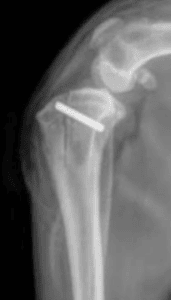
Patellar Luxation Surgery at Sequoia Animal Hospital
Sequoia Animal Hospital provides orthopedic evaluation and selected patellar luxation surgery services from our hospital in Tulare. Before surgery is recommended, our team may discuss your dog’s symptoms, physical exam findings, imaging, pain level, home environment, activity needs, and expected recovery plan.
Patellar luxation surgery requires careful evaluation of knee stability, limb alignment, pain level, related orthopedic problems, anesthesia planning, and recovery needs. Our team will explain what treatment is appropriate through Sequoia Animal Hospital and when referral is the safest option.
Each dog is evaluated individually. Some dogs may be good candidates for treatment through Sequoia Animal Hospital, while more complex cases may need referral to a board-certified surgical specialist or another facility. If referral is the safest choice, our team will explain why and help guide the next step.
Surgery Planning, Pain Control, and Recovery
Patellar luxation surgery planning may include an orthopedic exam, X-rays, medication review, and in-house laboratory testing before anesthesia. The details depend on your dog’s age, health, symptoms, and surgical plan.
After patellar luxation surgery, recovery may involve strict activity restriction, incision monitoring, pain medication, recheck visits, and a gradual return to normal movement. The goal is to protect the repair while your dog heals and rebuilds comfort and confidence using the affected leg.
Related services may support comfort and recovery, including pet pain management, diagnostic imaging, lab testing, and veterinary laser therapy when appropriate as part of a veterinarian-directed care plan.
Related Knee and Orthopedic Services
Patellar luxation is one of several orthopedic conditions that can affect a dog’s back legs. Depending on your dog’s symptoms, our team may also discuss TPLO surgery, cruciate ligament repair, fracture repair, hip concerns, arthritis, or other causes of limping.
You can also learn more about our full orthopedic surgery services, general pet surgery, and complete veterinary services for dogs and cats.
Patellar Luxation Surgery for Dogs From Tulare and Nearby Communities
Advanced orthopedic procedures are not available at every general veterinary hospital. Sequoia Animal Hospital welcomes dogs from Tulare and nearby Central Valley communities for patellar luxation evaluation, knee pain, limping, mobility problems, and planned orthopedic care.
Pet owners visit us from Tulare, Visalia, Farmersville, Tipton, Pixley, Exeter, Lindsay, Porterville, Corcoran, and other nearby communities.
For broader regional surgical information, visit our Central Valley Veterinary Surgery and Orthopedic Care page.
Patellar Luxation Surgery Questions
Does Sequoia Animal Hospital treat luxating patellas in dogs?
Yes. Sequoia Animal Hospital provides orthopedic evaluation for dogs with suspected patellar luxation and selected surgical care when appropriate. Treatment recommendations depend on the exam, imaging, luxation severity, pain level, mobility, and your dog’s overall health.
What does a luxating patella look like in a dog?
Some dogs with a luxating patella skip, hop, or briefly carry one back leg before using it normally again. Others may have ongoing limping, stiffness, knee pain, or trouble running, jumping, or climbing stairs.
Does every dog with patellar luxation need surgery?
No. Some mild cases may be monitored or managed without surgery. Surgery may be recommended when the luxation causes pain, repeated lameness, reduced mobility, or structural knee instability. A veterinary exam is needed before deciding what is best for your dog.
Can patellar luxation happen with a cruciate ligament injury?
Yes, some dogs may have more than one knee problem. Patellar luxation, cruciate ligament injury, arthritis, limb conformation issues, and other orthopedic concerns can overlap. That is why a full orthopedic evaluation is important.
What records are helpful for a patellar luxation consultation?
If your dog has already been seen elsewhere, bring or request prior exam notes, X-rays, lab results, medication lists, and discharge instructions. These records can help our team understand what has already been done and what next steps may be needed.
Do you see dogs from Visalia, Porterville, Lindsay, and nearby areas?
Yes. Sequoia Animal Hospital is located in Tulare and welcomes pet owners from Visalia, Porterville, Lindsay, Farmersville, Tipton, Pixley, Exeter, Goshen, Strathmore, Terra Bella, Ducor, Allensworth, Corcoran, and nearby Central Valley communities.
Contact Sequoia Animal Hospital About Patellar Luxation Surgery
If your dog is skipping, limping, holding up a back leg, or has been told patellar luxation surgery may be needed, contact Sequoia Animal Hospital in Tulare. Our team can help you understand what records, X-rays, lab results, or medication information may be helpful before an orthopedic evaluation.
Contact Sequoia Animal Hospital to ask about patellar luxation surgery for dogs in Tulare, CA, or return to our Orthopedic Surgery page.
Reviewed for accuracy by Dr. Deol and the Sequoia Animal Hospital veterinary team.