Looking for TPLO surgery for dogs in Tulare, CA? Sequoia Animal Hospital provides orthopedic evaluation and selected TPLO surgery for dogs with suspected cranial cruciate ligament injuries, knee instability, limping, and mobility problems.
TPLO surgery may be recommended when a dog has a torn or ruptured cranial cruciate ligament, often called a CCL tear or “dog ACL” injury. Our veterinary team can examine your dog, review X-rays and prior records, discuss pain control, and help you understand whether TPLO surgery or another treatment path may be appropriate.
Sequoia Animal Hospital’s orthopedic services are supported by veterinary experience in advanced procedures such as TPLO surgery, fracture repair, patellar luxation repair, FHO surgery, and related orthopedic planning. Each dog is evaluated individually so our team can recommend the safest, most practical treatment path.
Dog TPLO Surgery and CCL Injuries
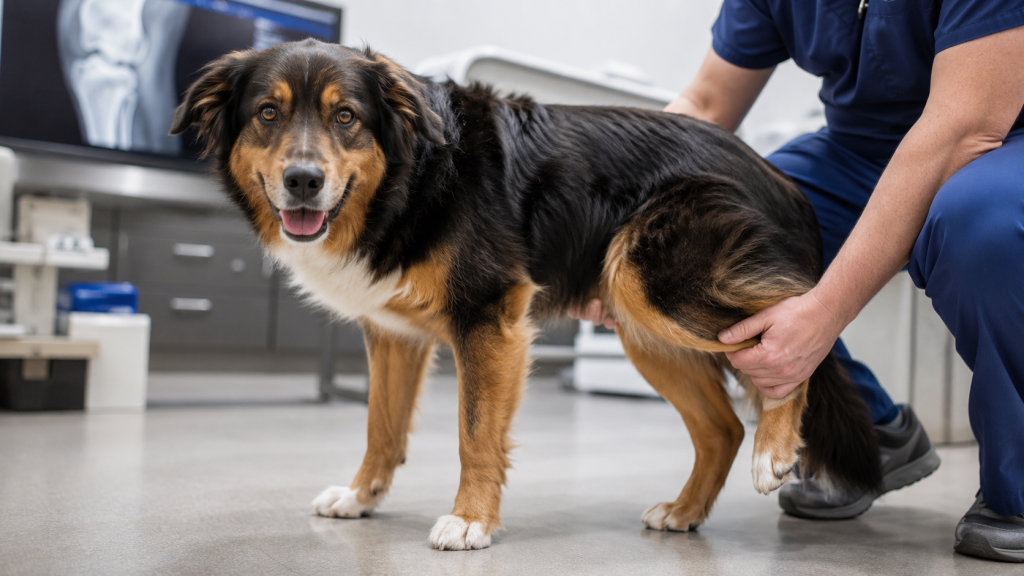
The cranial cruciate ligament helps stabilize a dog’s knee joint. When this ligament is stretched, partially torn, or fully ruptured, dogs may develop pain, limping, stiffness, difficulty rising, trouble sitting normally, or reluctance to jump, run, or play.
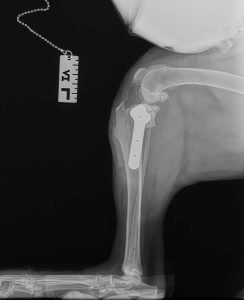
TPLO stands for tibial plateau leveling osteotomy. Instead of replacing the damaged ligament, TPLO surgery changes the mechanics of the knee by adjusting the angle of the top of the tibia and stabilizing the bone with a plate and screws while it heals.
For general background on cranial cruciate ligament disease, the American College of Veterinary Surgeons overview of cranial cruciate ligament disease explains common signs, diagnostic steps, treatment options, and recovery considerations.
When TPLO Surgery May Be Recommended
TPLO surgery may be considered for dogs with knee instability related to a cranial cruciate ligament injury. The best recommendation depends on your dog’s exam findings, X-rays, age, size, activity level, pain level, overall health, and whether there may also be meniscal injury or arthritis in the joint.
Pet owners often contact us about TPLO surgery in Tulare, CA when a dog has signs such as:
- Sudden or recurring back-leg limping
- Difficulty rising from rest
- Trouble sitting squarely or keeping the affected leg tucked out to the side
- Reluctance to jump into the car, climb stairs, run, or play
- Stiffness after activity or after lying down
- Ongoing knee pain, swelling, or mobility changes
These signs do not always mean a dog needs TPLO surgery. Other orthopedic, neurologic, hip, paw, and soft-tissue problems can also cause limping. A veterinary exam is the right first step.
TPLO Surgery at Sequoia Animal Hospital
Sequoia Animal Hospital provides TPLO surgery evaluation and surgical planning from our hospital in Tulare. For dogs that may be candidates for TPLO surgery, our team may recommend orthopedic examination, digital radiology, in-house laboratory testing, medication review, and a discussion of your dog’s home care and recovery needs.
TPLO and other orthopedic procedures require careful planning, imaging review, anesthesia planning, pain-control planning, and follow-up care. Our team will explain what treatment is appropriate through Sequoia Animal Hospital and when referral is the safest option.
Each dog is evaluated individually. Some dogs may be good candidates for treatment through Sequoia Animal Hospital, while others may need referral to a board-certified surgical specialist or another facility. If referral is the safest choice, our team will explain why and help guide the next step.
What to Expect Before and After TPLO Surgery
Before TPLO surgery, your dog may need an orthopedic exam, X-rays for diagnosis and surgical planning, lab work before anesthesia, and a review of medications, supplements, prior test results, and any other health concerns. Our team will let you know what records are helpful if your dog has already been seen at another clinic.
After TPLO surgery, home care is very important. Your dog will need controlled activity, pain-management instructions, incision monitoring, recheck visits, and a gradual return to movement based on the veterinarian’s recommendations. Recovery plans vary by dog, so our team will give you specific instructions for your pet.
Our related services may also support TPLO surgery planning and recovery, including pet pain management, veterinary laser therapy when appropriate, diagnostic imaging, and follow-up care.
TPLO Surgery for Dogs From Tulare and Nearby Communities
Because TPLO surgery and advanced orthopedic procedures are not available at every general veterinary hospital, pet owners may be willing to travel for the right evaluation and surgical plan. Sequoia Animal Hospital welcomes dogs from Tulare and nearby Central Valley communities, including Visalia, Farmersville, Tipton, Pixley, Exeter, Goshen, Earlimart, Lindsay, Strathmore, Ivanhoe, Terra Bella, Ducor, Allensworth, Corcoran, and Porterville.
For broader regional information, visit our Central Valley Veterinary Surgery and Orthopedic Care page. You can also learn more about our general orthopedic surgery services and pet surgery services.
TPLO Surgery Questions
Does Sequoia Animal Hospital offer TPLO surgery for dogs?
Sequoia Animal Hospital provides TPLO surgery evaluation and selected TPLO procedures for dogs after an exam and diagnostic review. The recommended treatment plan will depend on your dog’s diagnosis, surgical needs, overall health, and expected recovery needs.
Is a dog CCL tear the same as an ACL tear?
The cranial cruciate ligament in dogs is commonly compared to the ACL in people. Pet owners often say “dog ACL tear,” but veterinarians usually call this a cranial cruciate ligament injury or CCL tear.
How do I know if my dog needs TPLO surgery?
A dog may need TPLO surgery if an exam and diagnostic findings show knee instability from a cranial cruciate ligament injury and surgery is the best option for that dog. Limping alone is not enough to decide. Your dog needs a veterinary evaluation before a treatment recommendation can be made.
Does my dog need X-rays before TPLO surgery?
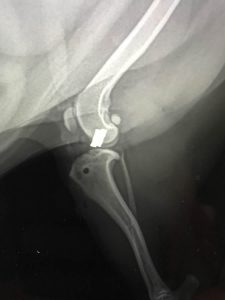
X-rays are commonly used to help evaluate the knee, look for changes related to cruciate disease, and plan orthopedic surgery. Depending on your dog’s age, health, and history, lab work may also be recommended before anesthesia.
How long does TPLO recovery take?
TPLO recovery requires careful home care and activity restriction while the bone heals. Your dog’s exact recovery plan will depend on the procedure, exam findings, recheck results, and your veterinarian’s instructions.
Do you see dogs from Visalia, Porterville, Lindsay, and nearby areas for TPLO surgery?
Yes. Sequoia Animal Hospital is located in Tulare and welcomes pet owners from Visalia, Porterville, Lindsay, Farmersville, Tipton, Pixley, Exeter, Goshen, Strathmore, Terra Bella, Ducor, Allensworth, Corcoran, and nearby Central Valley communities.
Contact Sequoia Animal Hospital About TPLO Surgery
If your dog is limping, has a suspected CCL tear, or has been told TPLO surgery may be needed, contact Sequoia Animal Hospital in Tulare. Our team can help you understand what records, X-rays, lab results, or medication information may be helpful before an orthopedic evaluation.
Contact Sequoia Animal Hospital to ask about TPLO surgery for dogs in Tulare, CA, or return to our Veterinary Services page.
Reviewed for accuracy by Dr. Deol and the Sequoia Animal Hospital veterinary team.