Looking for corrective osteotomy surgery for dogs and cats in Tulare, CA? Sequoia Animal Hospital provides orthopedic evaluation and selected corrective bone surgery services for pets with limb deformities, bone alignment problems, painful mobility changes, and complex orthopedic injuries.
A corrective osteotomy is a surgical procedure in which a bone is cut and repositioned to improve alignment, stability, comfort, or function. It may be discussed when a dog or cat has a bone deformity, abnormal limb angle, malunion after a fracture, or another orthopedic problem that cannot be managed well with medication or activity restriction alone.
Our veterinary team evaluates each orthopedic case individually and can discuss whether corrective osteotomy surgery, another orthopedic procedure, pain management, emergency care, or referral is the safest next step for your pet.
What Is Corrective Osteotomy Surgery?
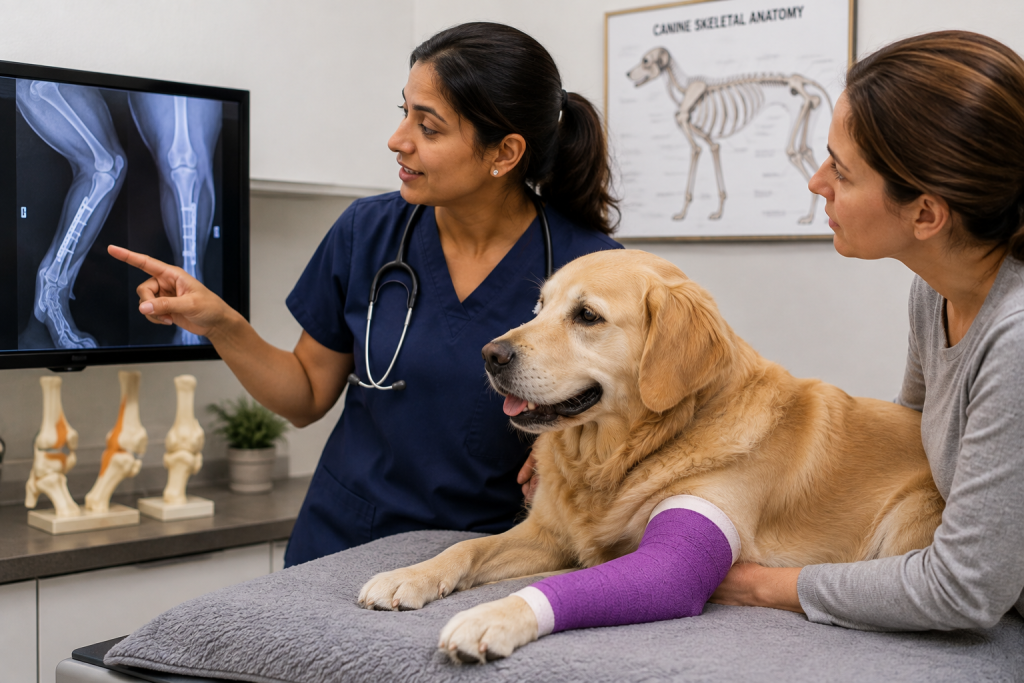
Corrective osteotomy surgery is used to change the position, angle, or alignment of a bone. After the bone is carefully cut and repositioned, it may be stabilized with implants such as plates, screws, pins, wires, or external fixation while healing occurs.
The American College of Veterinary Surgeons overview of angular limb deformity in dogs explains that treatment may include corrective osteotomy or corrective ostectomy, and that the best option depends on the pet’s age, severity and type of deformity, comfort, and goals for care.
Corrective osteotomy is not the right choice for every limp, deformity, or injury. A veterinary exam, X-rays, and careful surgical planning are needed before deciding whether realigning a bone is appropriate.
When Corrective Osteotomy May Be Considered
Corrective osteotomy surgery may be discussed when bone alignment is contributing to pain, abnormal movement, joint stress, or poor limb function. Possible reasons for evaluation include:
- Angular limb deformity or abnormal limb angulation
- Bone alignment problems after growth-plate injury
- Malunion after a fracture has healed in an abnormal position
- Selected deformities affecting the front legs, back legs, wrists, hocks, or other bones
- Joint stress caused by abnormal bone alignment
- Complex orthopedic injuries that need alignment planning
- Persistent limping, pain, or mobility problems related to limb structure
Some alignment problems are developmental, while others happen after trauma, fracture healing, or injury to a growing bone. Depending on your pet’s condition, our team may also discuss fracture repair, bone plating surgery, arthrodesis surgery, pain management, monitoring, or referral.
Signs Your Pet May Need Bone Alignment Evaluation
Contact a veterinarian if your dog or cat has signs that may involve bone alignment, joint stress, or a complex orthopedic condition, including:
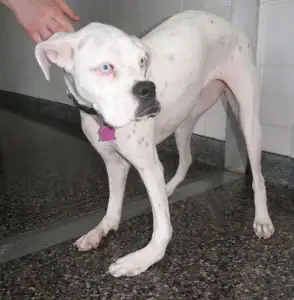
- A leg that appears bowed, twisted, rotated, or angled abnormally
- Limping that does not improve or keeps returning
- Uneven weight-bearing or abnormal paw placement
- Difficulty standing, walking, running, jumping, or climbing stairs
- Pain, stiffness, or swelling around a joint
- History of fracture, growth-plate injury, or traumatic injury
- Progressive mobility changes in a young, growing, or previously injured pet
These signs can overlap with cruciate ligament injuries, patellar luxation, hip problems, arthritis, soft-tissue injuries, neurologic conditions, and other causes of limping. A careful orthopedic exam helps identify the source of the problem.
Corrective Osteotomy Surgery at Sequoia Animal Hospital
Sequoia Animal Hospital provides orthopedic evaluation and selected corrective osteotomy surgery services from our hospital in Tulare. The process may include a physical exam, orthopedic assessment, gait evaluation, digital radiology, review of prior X-rays or medical records, medication review, and a discussion of surgical options.
Our orthopedic services are planned around the pet’s diagnosis, comfort, safety, and expected function. For pets that may need anesthesia or surgery, our team may recommend in-house laboratory testing before the procedure, along with a review of medications, supplements, prior injuries, and other health concerns.
Each pet is evaluated individually. Some corrective osteotomy cases may be appropriate for treatment through Sequoia Animal Hospital, while complex deformities, unstable injuries, young growing patients, or cases requiring advanced planning or specialized equipment may need referral. Our goal is to help you understand the safest, most realistic plan for your pet.
X-Rays, Alignment Planning, and Surgical Decisions
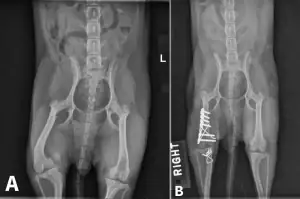
X-rays are usually needed to evaluate bone shape, joint alignment, growth plates, fracture healing, arthritis, and the amount of correction that may be needed. In some cases, additional imaging, comparison X-rays, repeat imaging, or referral may be recommended before a final surgical plan is made.
Corrective osteotomy can require detailed planning because the goal is not only to repair a bone, but to improve alignment and function. The surgical plan may consider the angle of correction, location of the osteotomy, implant choice, healing time, and the forces placed on the limb after surgery.
If your pet has already had X-rays taken elsewhere, please ask the previous hospital to send the images and medical notes before your visit when possible. Prior records help our team understand the diagnosis, prior treatment, pain medications, and what options have already been discussed.
Pain Control and Recovery After Corrective Osteotomy
Recovery after corrective osteotomy surgery requires careful home care. Your pet may need strict activity restriction, medication instructions, incision or bandage monitoring, recheck visits, follow-up X-rays, and gradual return-to-activity guidance based on healing progress.
Protecting the repair during healing is important. Pets must be prevented from running, jumping, rough play, or putting too much stress on the repair too early. The exact recovery plan depends on the bone involved, the correction performed, the repair method, and your pet’s healing progress.
When appropriate, related services may support comfort and recovery, including diagnostic imaging, lab testing, pet pain management, and veterinary laser therapy as part of a veterinarian-directed care plan.
Related Orthopedic Services
Corrective osteotomy is one part of advanced orthopedic care. Depending on your pet’s diagnosis, our team may also discuss fracture repair, bone plating surgery, arthrodesis surgery, TPLO surgery, cruciate ligament repair, patellar luxation surgery, FHO surgery, or other orthopedic concerns.
You can also learn more about our full orthopedic surgery services, general pet surgery, and complete veterinary services for dogs and cats.
Corrective Osteotomy Surgery for Dogs and Cats From Tulare and Nearby Communities
Advanced orthopedic procedures are not available at every general veterinary hospital. Sequoia Animal Hospital welcomes dogs and cats from Tulare and nearby Central Valley communities for corrective osteotomy evaluation, limb deformity, bone alignment concerns, limping, mobility problems, and planned orthopedic care.
Pet owners visit us from Tulare, Visalia, Farmersville, Tipton, Pixley, Exeter, Lindsay, Porterville, Corcoran, and other nearby communities.
For broader regional surgical information, visit our Central Valley Veterinary Surgery and Orthopedic Care page.
Corrective Osteotomy Surgery Questions
Does Sequoia Animal Hospital offer corrective osteotomy surgery?
Sequoia Animal Hospital provides orthopedic evaluation and selected corrective osteotomy surgery services for dogs and cats. The best treatment plan depends on the diagnosis, X-rays, bone alignment, pain level, overall health, and whether local treatment or referral is safest.
What does osteotomy mean?
Osteotomy means cutting a bone. In corrective osteotomy surgery, the bone is cut and repositioned to improve alignment, stability, comfort, or function.
What conditions can lead to corrective osteotomy?
Corrective osteotomy may be discussed for selected pets with angular limb deformity, abnormal bone alignment, growth-plate injury, fracture malunion, joint stress caused by limb structure, or complex orthopedic injuries.
Does every limb deformity need surgery?
No. Some pets may need monitoring, pain management, activity changes, or referral instead of surgery. A veterinary exam and X-rays are needed before deciding the safest option.
What records are helpful for a corrective osteotomy consultation?
If your pet has already been seen elsewhere, bring or request prior exam notes, X-rays, lab results, medication lists, and discharge instructions. These records help our team understand the diagnosis and plan the next step.
Do you see corrective osteotomy cases from Visalia, Porterville, Corcoran, and nearby areas?
Yes. Sequoia Animal Hospital is located in Tulare and welcomes pet owners from Visalia, Porterville, Corcoran, Farmersville, Tipton, Pixley, Exeter, Lindsay, Strathmore, Terra Bella, Ducor, Allensworth, and nearby Central Valley communities.
Contact Sequoia Animal Hospital About Corrective Osteotomy Surgery
If your dog or cat has a limb deformity, bone alignment problem, abnormal movement, chronic limping, or has been told corrective osteotomy surgery may be needed, contact Sequoia Animal Hospital in Tulare. Our team can help you understand what records, X-rays, lab results, or medication information may be helpful before an orthopedic evaluation.
Contact Sequoia Animal Hospital to ask about corrective osteotomy surgery for dogs and cats in Tulare, CA, or return to our Orthopedic Surgery page.
Reviewed for accuracy by Dr. Deol and the Sequoia Animal Hospital veterinary team.