At Sequoia Animal Hospital, we provide veterinary lab testing in Tulare, CA, for dogs and cats. We welcome pet owners from Visalia, Farmersville, Tipton, and nearby communities throughout Tulare County. Our in-house veterinary laboratory helps our team evaluate illness, screen for hidden health concerns, monitor ongoing conditions, and make more informed treatment decisions for your pet.
Veterinary Lab Testing in Tulare for Dogs and Cats
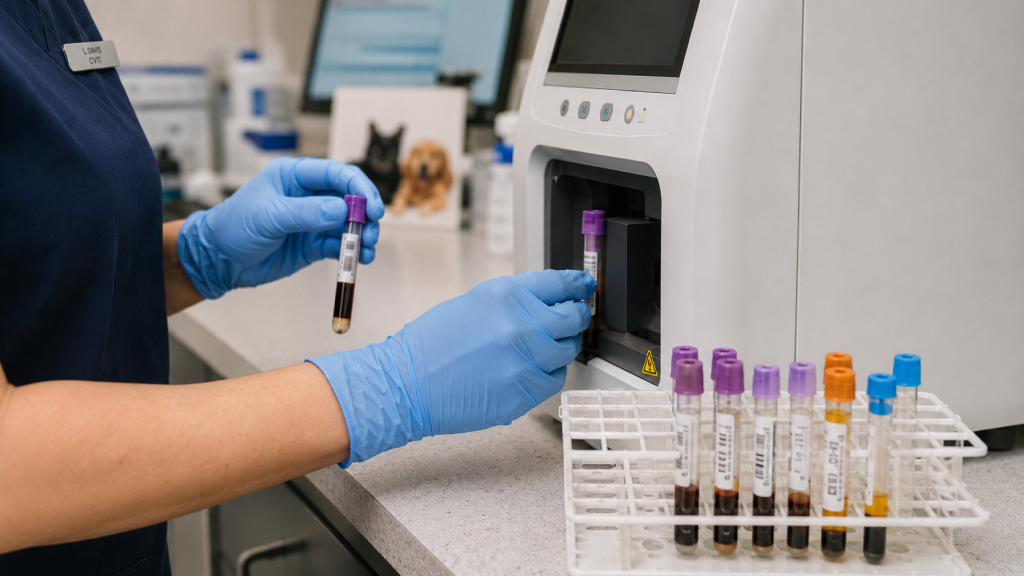
Laboratory testing gives veterinarians important information that cannot always be gathered from a physical examination alone. Blood, urine, fecal, and other samples can help us evaluate organ function, hydration, infection, inflammation, parasites, blood cells, and other indicators of health.
Depending on your pet’s needs, laboratory testing may help us:
- Investigate signs of illness
- Screen for early or hidden health concerns
- Evaluate organ function before anesthesia or surgery
- Monitor chronic medical conditions
- Check response to medication or treatment
- Look for parasites, infection, or inflammation
- Support safer, more informed veterinary decisions
When results are available quickly, our team can often begin the next step in your pet’s care sooner.
When Might Your Pet Need Lab Work?
Pets may need laboratory testing when they are sick, before a procedure, during a wellness visit, or as part of long-term health monitoring. The recommended tests depend on your pet’s symptoms, age, medical history, medications, and examination findings.
Our veterinarian may recommend lab work if your pet has:
- Vomiting, diarrhea, appetite changes, or weight loss
- Increased thirst or urination
- Lethargy, weakness, or behavior changes
- Coughing, fever, infection, or inflammation
- Skin, ear, urinary, or digestive concerns
- A chronic condition that needs monitoring
- An upcoming anesthetic procedure or surgery
Lab work can also be valuable when a pet seems healthy, especially for senior pets or pets with risk factors that may not cause obvious symptoms at home.
Bloodwork for Dogs and Cats
Bloodwork is one of the most common forms of veterinary laboratory testing. It can provide a snapshot of your pet’s internal health and help us look for changes involving blood cells, hydration, electrolytes, organ function, blood sugar, infection, inflammation, and other concerns.
Depending on the reason for testing, bloodwork may include:
- A complete blood count to evaluate red blood cells, white blood cells, and platelets
- Blood chemistry values to help assess organs such as the liver and kidneys
- Electrolyte testing when dehydration, vomiting, diarrhea, or illness is a concern
- Blood sugar screening
- Thyroid or other specialized testing when indicated
- Pre-anesthetic bloodwork before selected procedures
Our veterinarian will interpret your pet’s results in context with their symptoms, examination findings, medical history, and any medications they receive.
Urinalysis and Urinary Health Testing
Urinalysis helps us evaluate your pet’s urine and urinary system. It can provide information about hydration, urine concentration, kidney function, infection, inflammation, crystals, glucose, protein, and other urinary changes.
We may recommend urinalysis when pets have:
- Frequent urination or accidents in the house
- Straining, discomfort, or blood in the urine
- Increased thirst or urination
- Kidney, bladder, or urinary tract concerns
- Diabetes or suspected metabolic disease
- Abnormal bloodwork that needs follow-up
- Senior-pet screening or chronic-condition monitoring
Depending on the situation, we may also recommend a urine culture, additional bloodwork, imaging, or follow-up testing.
Fecal Testing and Parasite Screening
Fecal testing helps our veterinary team check for intestinal parasites that can affect dogs, cats, and sometimes people. Some pets with parasites show diarrhea, vomiting, weight loss, or a dull coat, while others may not show obvious signs at all.
Parasite screening may help detect or investigate:
- Roundworms, hookworms, whipworms, or tapeworm concerns
- Giardia or other intestinal parasites
- Diarrhea, soft stool, or digestive upset
- Weight loss or poor growth in young pets
- Exposure risks from parks, yards, boarding, daycare, or other animals
- Routine preventive-care needs
Regular fecal testing is often discussed during wellness exams, especially for puppies, kittens, outdoor pets, and pets with digestive symptoms.
Heartworm, Tick-Borne Disease, and Infectious Disease Testing
Some laboratory tests screen for diseases that may not be obvious during the early stages. Testing recommendations depend on your pet’s species, lifestyle, travel, exposure risks, preventive medications, and local disease concerns.
Depending on your pet’s needs, we may discuss testing for:
- Heartworm disease in dogs
- Selected tick-borne diseases
- Feline leukemia virus or feline immunodeficiency virus when appropriate
- Respiratory, skin, ear, urinary, or other infections
- Exposure-related risks before travel, boarding, daycare, or new-pet introductions
Our team can also discuss vaccination and prevention plans that match your pet’s risk profile.
Pre-Anesthetic Lab Work Before Surgery or Dental Care
Before anesthesia, laboratory testing can help us evaluate whether your pet has hidden health concerns that may affect the anesthetic plan. Pre-anesthetic bloodwork is especially important for senior pets, pets taking medications, and pets with known medical conditions.
Pre-anesthetic testing may be recommended before:
- Spay and neuter surgery
- Pet surgery
- Professional dental cleanings or dental treatment
- Orthopedic procedures or injury care
- Procedures that require sedation or anesthesia
If lab results show a concern, we may adjust the plan, recommend additional diagnostics, treat the issue first, or discuss whether referral is the safest option.
Senior Pet Laboratory Screening
Senior dogs and cats are more likely to develop conditions that may begin subtly. Routine laboratory screening can help identify changes earlier, monitor trends over time, and support better planning for your pet’s comfort and quality of life.
Senior-pet lab screening may include:
- Bloodwork to evaluate organ function and blood cells
- Urinalysis to assess kidney and urinary health
- Thyroid testing when appropriate
- Blood pressure checks or additional diagnostics when recommended
- Monitoring for chronic conditions or long-term medications
- Follow-up testing when results change over time
We can discuss the right screening schedule during your pet’s preventive-care visit and adjust recommendations as your pet’s needs change.
How Lab Results Guide Treatment Decisions
Lab results do not stand alone. Our veterinarian reviews them alongside your pet’s physical exam, symptoms, history, imaging results, and response to treatment. This helps us decide whether your pet needs medication, diet changes, additional testing, monitoring, surgery, referral, or supportive care.
Laboratory results can help us:
- Confirm or narrow possible causes of symptoms
- Detect changes that are not visible from the outside
- Monitor whether a condition is improving or worsening
- Adjust medication or treatment plans
- Decide whether digital radiology or veterinary ultrasound may be needed
- Give pet owners clearer information when making decisions
We will explain your pet’s results in practical terms and answer your questions about what they mean.
Schedule Veterinary Lab Testing in Tulare, CA
Veterinary lab testing in Tulare can help our team evaluate your pet’s health, investigate symptoms, monitor chronic conditions, and support safer decisions before anesthesia or surgery. Whether your pet needs wellness screening or diagnostic testing for an illness, we are here to help.
Contact Sequoia Animal Hospital to schedule an exam or ask whether your dog or cat may need laboratory testing.
Reviewed for accuracy by Dr. Deol and the Sequoia Animal Hospital veterinary team.