Sequoia Animal Hospital provides orthopedic surgery in Tulare, CA for dogs and cats with limping, injuries, joint problems, fractures, ligament concerns, bone-alignment issues, and mobility problems. Our veterinary team evaluates each pet individually and helps you understand whether surgery, pain management, diagnostic testing, monitoring, or referral is the safest next step.
Orthopedic procedures are not available at every general veterinary hospital. Sequoia Animal Hospital offers a growing orthopedic surgery program for pet owners in Tulare, Visalia, Porterville, Farmersville, Tipton, Pixley, Exeter, Lindsay, Corcoran, and nearby Central Valley communities.
Orthopedic Care for Dogs and Cats
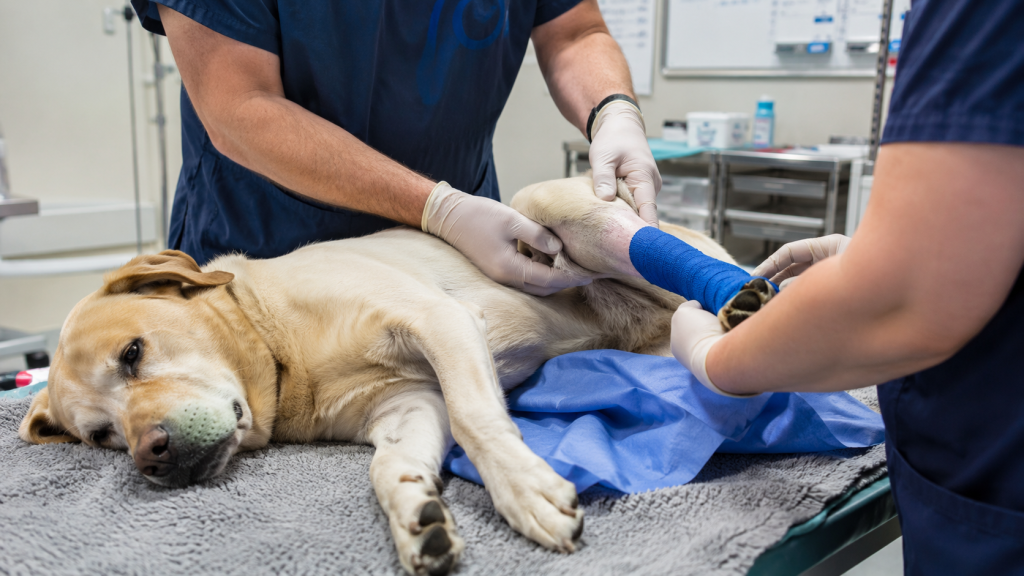
Orthopedic care focuses on problems involving the bones, joints, muscles, tendons, and ligaments. These conditions can affect how your pet walks, plays, climbs stairs, jumps into the car, lies down, and gets up after resting.
Your pet may need an orthopedic evaluation if you notice:
- Limping, stiffness, or favoring one leg
- Difficulty standing, walking, running, jumping, or climbing stairs
- Sudden pain after a fall, twist, car accident, or rough play
- Swelling around a joint, limb, paw, or surgical site
- A suspected broken bone, dislocation, ligament injury, or kneecap problem
- Ongoing mobility problems that have not improved with rest or medication
- A recommendation from another veterinarian for orthopedic evaluation or surgery
Even subtle changes in movement can signal pain. If something seems different about the way your pet moves, it is worth having them examined.
Orthopedic Surgery Services
Sequoia Animal Hospital evaluates a wide range of orthopedic conditions. The right treatment depends on your pet’s diagnosis, imaging, comfort, activity level, age, health, and expected recovery needs.
Fracture Repair
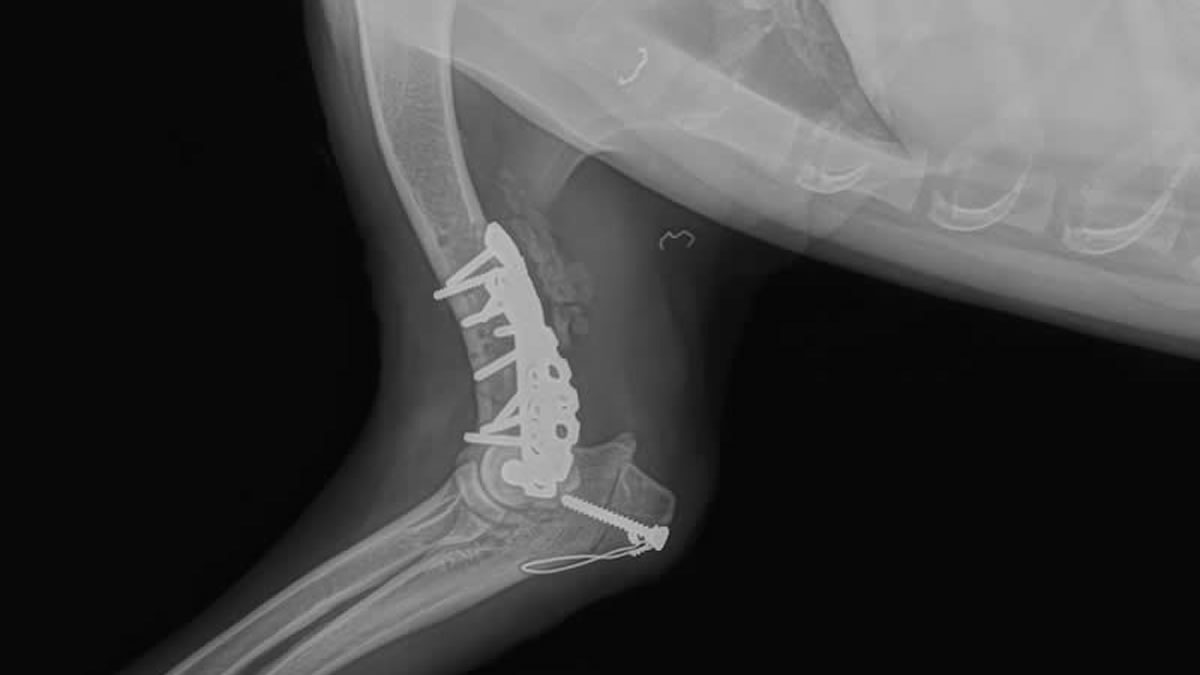
Fracture repair may be considered for dogs and cats with broken bones, traumatic injuries, limb pain, swelling, deformity, or inability to bear weight.
Learn About Fracture Repair
Bone Plating Surgery
Bone plating is one method of fracture stabilization that may use a plate and screws to hold broken bone fragments in alignment while healing occurs.
Learn About Bone Plating
Cruciate Ligament Repair
Cruciate ligament evaluation may be needed when a dog has knee instability, recurring back-leg limping, stiffness, trouble rising, or difficulty using the affected leg.
Learn About Cruciate Repair
TPLO Surgery
TPLO may be recommended for some dogs with cranial cruciate ligament injuries. The procedure changes knee mechanics to improve stability and function in selected patients.
Learn About TPLO Surgery
Patellar Luxation Surgery
Patellar luxation surgery may be discussed when a dog’s kneecap slips out of place and causes skipping, hopping, limping, knee pain, or reduced mobility.
Learn About Patellar Luxation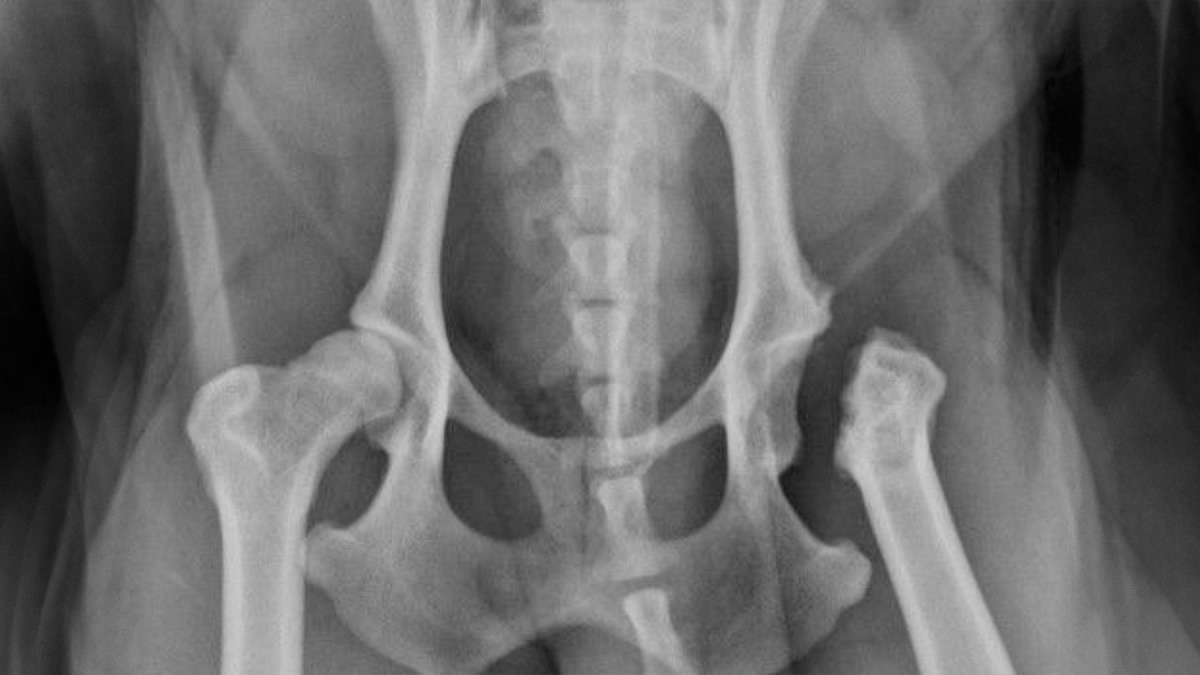
FHO and Hip Surgery
FHO, or femoral head ostectomy, may be discussed for selected dogs and cats with painful hip injuries, hip luxation, femoral head or neck problems, or severe hip pain.
Learn About FHO & Hip Surgery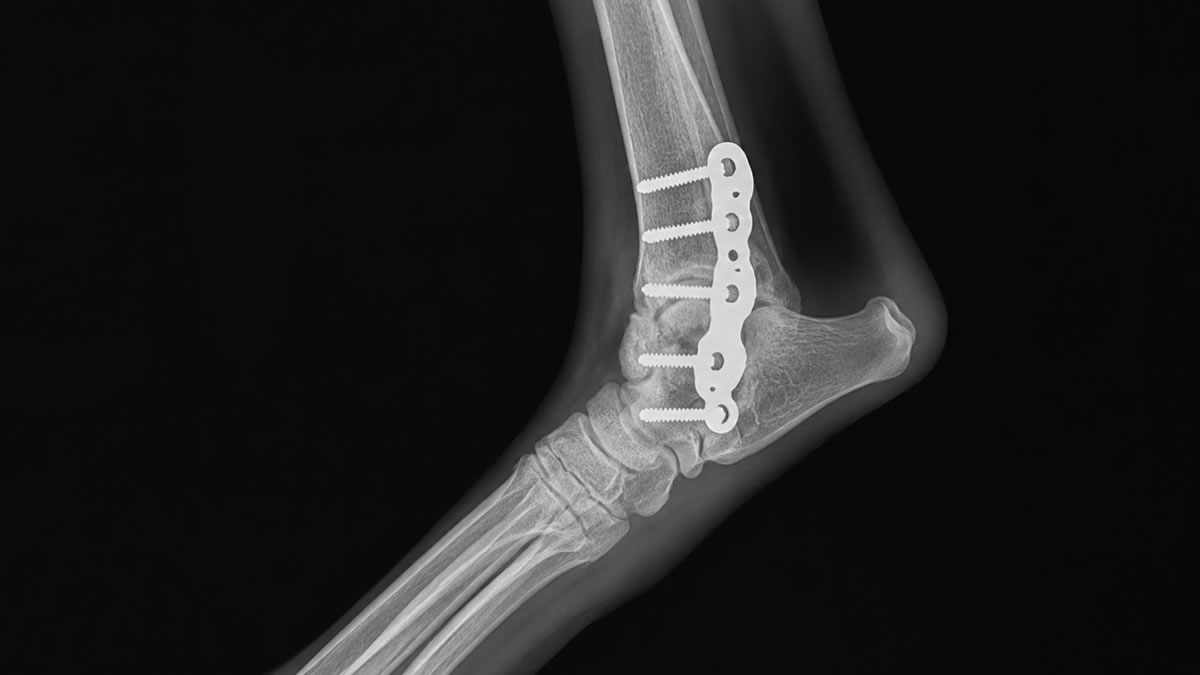
Arthrodesis Surgery
Arthrodesis means surgical fusion of a joint. It may be considered when a joint is severely painful, unstable, damaged, or unlikely to function comfortably with normal motion.
Learn About Arthrodesis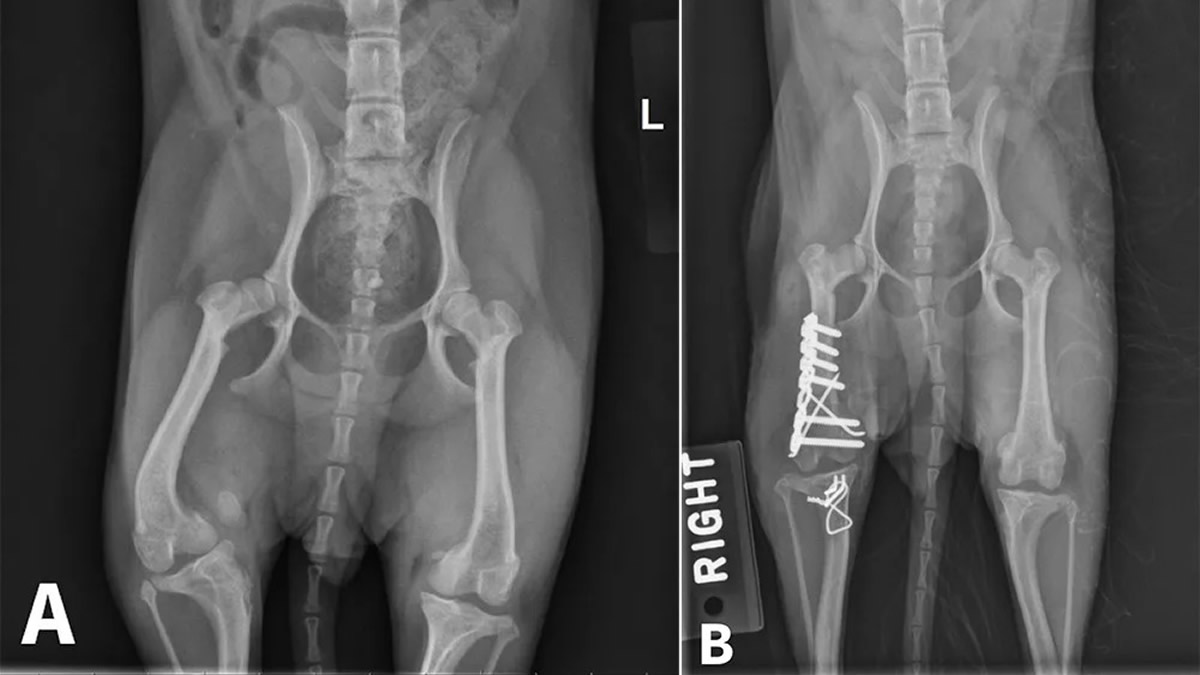
Corrective Osteotomy Surgery
Corrective osteotomy may be discussed when a bone needs to be cut and repositioned to improve alignment, stability, comfort, or function.
Learn About Corrective OsteotomyOrthopedic Exams and Diagnosis
An orthopedic evaluation begins with a careful discussion of your pet’s symptoms, injury history, medications, activity level, and changes you have noticed at home. Our team may observe how your pet stands, walks, sits, rises, or uses the affected limb before performing a hands-on examination.
An orthopedic exam may include:
- Watching your pet walk or move when appropriate
- Checking joint range of motion, stability, pain, swelling, or stiffness
- Comparing the affected limb with the opposite limb
- Evaluating muscle condition, weight-bearing, and limb alignment
- Reviewing prior X-rays, medical records, medications, and test results
- Considering your pet’s overall health before any treatment plan
Some painful pets need gentle handling, pain relief, sedation, or imaging before a complete orthopedic assessment can be performed safely and comfortably.
Digital X-Rays and Surgical Planning
Diagnostic imaging can be an important part of evaluating orthopedic injuries and joint disease. Digital radiology may help our veterinary team assess bones, joints, alignment, fractures, arthritis, hip position, knee changes, and other findings that are not visible from the outside.
Depending on your pet’s condition, we may recommend:
- X-rays of the affected area
- Additional views or comparison images
- Review of prior X-rays or diagnostic records
- In-house laboratory testing before anesthesia or surgery
- Pain-control planning before and after treatment
- Referral for advanced imaging or specialty surgery when needed
We will review the findings with you and explain the available options so you can make an informed decision about your pet’s care.
When Surgery, Medical Care, or Referral May Be Recommended
Not every orthopedic condition requires surgery. Some pets may improve with rest, medication, weight management, activity changes, controlled exercise, or other supportive care. In other cases, orthopedic surgery may offer the best chance of improving comfort, stability, and function.
Orthopedic surgery can range from planned procedures to advanced repairs that require specialized equipment, imaging, or board-certified surgical care. Our role is to evaluate your pet, explain what type of care is appropriate, and help guide the safest plan.
Depending on the case, we may provide treatment through Sequoia Animal Hospital when appropriate, coordinate referral when specialty care is recommended, help manage pain and mobility while a surgical plan is being arranged, or provide follow-up care after treatment.
Our Pet Surgery page explains broader surgery and anesthesia planning for dogs and cats. For conditions involving the airway, salivary glands, ears, urinary tract, anal glands, and other non-bony tissues, visit our Soft Tissue Surgery page.
Pain Management and Recovery Support
Orthopedic injuries and joint conditions can be painful, even when pets try to hide discomfort. Pain management is an important part of care before surgery, after surgery, and for pets being treated without surgery.
Your pet’s comfort and recovery plan may include:
- Medication to reduce pain and inflammation
- Activity restriction or controlled exercise
- Home-environment changes to reduce slipping, jumping, or rough movement
- Recheck visits and follow-up X-rays when needed
- Bandage, splint, or incision monitoring when applicable
- Veterinary laser therapy when appropriate as part of a veterinarian-directed care plan
- Referral for rehabilitation or advanced therapies when appropriate
Please do not give human pain medications to your pet unless a veterinarian specifically instructs you to do so. Some common human medications can be dangerous for dogs and cats.
Preparing for an Orthopedic Consultation
If your pet has already been seen at another veterinary hospital, prior records can be very helpful. Before your orthopedic consultation, please bring or request transfer of:
- Recent examination notes and diagnosis information
- Previous X-rays or imaging reports
- Laboratory results
- A current medication and supplement list
- Discharge instructions from emergency or referral care
- Information about when the problem began and how it has changed
Do not withhold food, water, or medication unless a veterinarian or staff member has given you instructions for your pet’s scheduled visit.
Orthopedic Surgery for Pets From Tulare and Nearby Communities
Because advanced orthopedic procedures are not available at every general veterinary hospital, some pet owners are willing to travel for the right evaluation and surgical plan. Sequoia Animal Hospital welcomes dogs and cats from Tulare and nearby Central Valley communities for orthopedic care.
Pet owners visit us from Tulare, Visalia, Farmersville, Tipton, Pixley, Exeter, Lindsay, Porterville, Corcoran, and nearby communities.
For broader regional information, visit our Central Valley Veterinary Surgery and Orthopedic Care page. For all services, visit our Veterinary Services page.
Orthopedic Surgery Questions
Does Sequoia Animal Hospital offer orthopedic surgery for dogs and cats?
Yes. Sequoia Animal Hospital provides orthopedic evaluation and selected orthopedic surgery services for dogs and cats. The best treatment plan depends on your pet’s diagnosis, imaging, comfort, overall health, and whether local treatment or referral is safest.
What orthopedic problems do you evaluate?
Our team evaluates limping, fractures, suspected cruciate ligament injuries, kneecap instability, hip pain, joint injuries, bone-alignment concerns, traumatic injuries, stiffness, and mobility problems. Some conditions can be treated through our hospital, while others may need referral.
Does every orthopedic problem need surgery?
No. Some pets need medication, activity changes, monitoring, diagnostic testing, pain management, or referral instead of surgery. A veterinary exam and diagnostic review are needed before deciding the safest option.
Do you offer TPLO surgery and fracture repair?
Sequoia Animal Hospital provides evaluation for dogs with suspected CCL tears and offers selected orthopedic procedures, including TPLO surgery and fracture repair, when appropriate for the patient.
What should I bring to an orthopedic consultation?
If your pet has already been seen elsewhere, bring or request prior exam notes, X-rays, lab results, medication lists, and discharge instructions. These records help our team understand what has already been done and what next steps may be needed.
Do you see orthopedic patients from Visalia, Porterville, Corcoran, and nearby areas?
Yes. Sequoia Animal Hospital is located in Tulare and welcomes pet owners from Visalia, Porterville, Corcoran, Farmersville, Tipton, Pixley, Exeter, Lindsay, Strathmore, Terra Bella, Ducor, Allensworth, and nearby Central Valley communities.
Contact Sequoia Animal Hospital About Orthopedic Surgery
If your dog or cat is limping, painful, recovering from an injury, or has been told orthopedic surgery may be needed, contact Sequoia Animal Hospital in Tulare. Our team can help you understand what records, X-rays, lab results, or medication information may be helpful before an orthopedic evaluation.
Contact Sequoia Animal Hospital to ask about orthopedic surgery in Tulare, CA, or visit our Meet Our Team page to learn more about our veterinary team.
Reviewed for accuracy by Dr. Deol and the Sequoia Animal Hospital veterinary team.