At Sequoia Animal Hospital, we provide personalized pet vaccinations in Tulare, CA, for dogs and cats at every stage of life. We welcome pet owners from Visalia, Farmersville, Tipton, and nearby communities throughout Tulare County. Vaccines help protect pets from serious, contagious diseases, but the right plan is not identical for every animal. Our veterinary team considers your pet’s age, health history, lifestyle, travel, boarding, contact with other animals, and potential exposure risks before recommending a vaccination schedule.
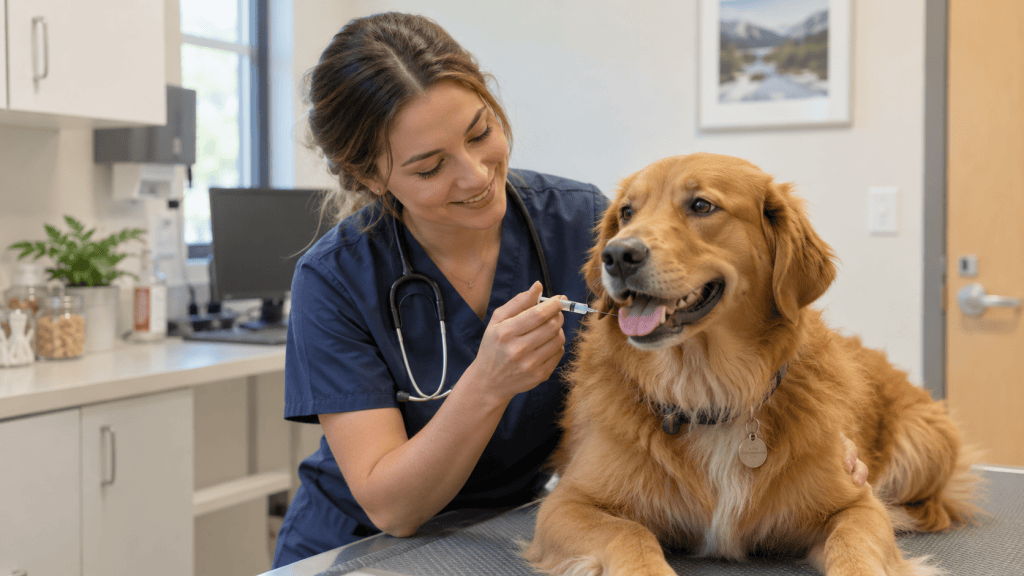
Why Are Pet Vaccinations Important?
Vaccines prepare your pet’s immune system to recognize and respond to specific infectious diseases. Although no vaccine can eliminate every risk, appropriate vaccination can greatly reduce the likelihood of severe illness and help limit the spread of contagious disease.
Pet vaccinations can help:
- Protect dogs and cats from serious or potentially fatal diseases
- Build protection during the vulnerable puppy and kitten stages
- Reduce the spread of contagious illness among pets
- Protect people from zoonotic diseases such as rabies
- Meet certain boarding, grooming, daycare, training, or travel requirements
Keeping vaccination records current also gives your veterinary team a clearer picture of your pet’s preventive-care history.
A Vaccination Plan Based on Your Pet’s Needs
Some vaccines are considered core because they are recommended for most dogs or cats unless a medical reason makes vaccination inappropriate. Other vaccines are recommended according to lifestyle and exposure risk. We do not assume that every pet needs exactly the same vaccines on the same timetable.
When creating a vaccination plan, we may consider:
- Your pet’s age, species, health, and previous vaccination history
- Whether your pet lives primarily indoors or spends time outdoors
- Contact with unfamiliar animals, wildlife, or multi-pet environments
- Visits to boarding facilities, groomers, daycare, training classes, or dog parks
- Travel or relocation to areas with different disease risks
- Previous vaccine reactions, medications, or medical conditions
Our veterinarian will explain the recommended vaccines, their purpose, and the proposed schedule so you can make an informed decision for your pet.
Dog Vaccinations
Dogs may be exposed to infectious diseases through other dogs, wildlife, shared environments, contaminated water or soil, and travel. We recommend canine vaccines according to current medical guidance and your dog’s individual risks.
Core Vaccines for Dogs
Core canine vaccine recommendations commonly include protection against:
- Rabies
- Canine distemper virus
- Canine parvovirus
- Canine adenovirus
- Leptospirosis
Distemper, adenovirus, and parvovirus protection is often provided in a combination vaccine. The appropriate product and schedule depend on your dog’s age and vaccination history.
Lifestyle-Based Vaccines for Dogs
Depending on your dog’s activities and exposure risks, we may also discuss vaccines for:
- Bordetella bronchiseptica, commonly associated with canine infectious respiratory disease
- Canine influenza
- Lyme disease
Other vaccines may be considered when a dog’s travel, environment, or regional exposure makes them appropriate. We may also discuss parasite prevention based on your pet’s lifestyle and exposure risks.
Cat Vaccinations
Indoor and outdoor cats can both be exposed to infectious disease. Cats may encounter pathogens through other animals, contaminated objects, open doors or windows, boarding, travel, or an unexpected escape from home.
Core Vaccines for Cats
Core feline vaccine recommendations commonly include protection against:
- Feline herpesvirus-1
- Feline calicivirus
- Feline panleukopenia virus
- Rabies
The first three are commonly combined in the FVRCP vaccine. We will recommend timing based on your cat’s age, health, prior records, and risk of exposure.
Feline Leukemia Vaccination
Feline leukemia virus vaccination is generally recommended for kittens and for adult cats with an ongoing risk of exposure, such as cats that spend time outdoors or may encounter cats of unknown infection status. Testing and risk assessment may be recommended before vaccination.
Puppy and Kitten Vaccine Schedules
Puppies and kittens need a series of vaccinations because protection passed from their mother can interfere with early vaccine response and then decline at an unpredictable time. A properly timed series helps provide protection as maternal immunity fades.
A young pet’s plan may include:
- An initial veterinary examination and review of any breeder, shelter, or rescue records
- A series of core vaccines beginning during the first months of life
- Additional doses given at appropriate intervals until the initial series is complete
- Rabies vaccination according to age, product labeling, and applicable requirements
- Lifestyle-based vaccines when exposure risks make them appropriate
- A follow-up booster plan as your puppy or kitten transitions into adulthood
Because schedules can vary, bring every available vaccination record to your appointment rather than relying on an estimated date or memory. Puppy and kitten vaccine visits are also a good time to review parasite prevention for young pets.
Vaccinations for Adult and Senior Pets
Adult and senior pets still need regular vaccine reviews, but not every vaccine is necessarily given every year. The interval depends on the vaccine, product, previous doses, health status, lifestyle, and applicable requirements.
During your pet’s wellness exam, we can review current records, identify overdue protection, and develop an appropriate plan for pets with incomplete or unknown vaccination histories.
What to Expect After Vaccination
Most dogs and cats have no significant problems after vaccination. Mild, short-lived effects can occur as the immune system responds.
Common Mild Reactions
For a brief period after vaccination, some pets may experience:
- Tenderness or mild swelling at the injection site
- Temporary tiredness or reduced activity
- A mild fever
- A temporary decrease in appetite
Contact Sequoia Animal Hospital if these signs are pronounced, continue longer than expected, or cause you concern.
When to Seek Immediate Veterinary Care
Serious allergic reactions are uncommon, but they require prompt attention. Seek immediate veterinary care if your pet develops:
- Difficulty breathing
- Facial or muzzle swelling
- Hives or widespread itching
- Repeated vomiting or diarrhea
- Weakness, collapse, or severe distress
Tell us before vaccination if your pet has ever reacted to a vaccine or medication.
Vaccination Records for Boarding, Travel, and Grooming
Boarding facilities, groomers, daycare programs, training classes, airlines, and travel destinations may require proof of specific vaccinations. Requirements and timing vary, so check them well before your planned reservation or departure.
Bring any forms or written requirements to your appointment. If your pet will be traveling, we may also discuss pet microchipping, laboratory testing, and a domestic or international pet travel health certificate.
Schedule Pet Vaccinations in Tulare, CA
An individualized vaccination plan can help protect your dog or cat without taking a one-size-fits-all approach. Our veterinary team will review your pet’s needs, explain our recommendations, and help you maintain clear vaccination records.
Contact Sequoia Animal Hospital to schedule pet vaccinations in Tulare for your puppy, kitten, adult pet, or senior companion.
Reviewed for accuracy by Dr. Deol and the Sequoia Animal Hospital veterinary team.