
At Sequoia Animal Hospital, we provide pet pain management in Tulare, CA, for dogs and cats. We welcome pet owners from Visalia, Farmersville, Tipton, and nearby communities throughout Tulare County. Pain can affect how pets walk, rest, eat, play, interact, and enjoy daily life, so our veterinary team takes discomfort seriously and works to identify the cause whenever possible.
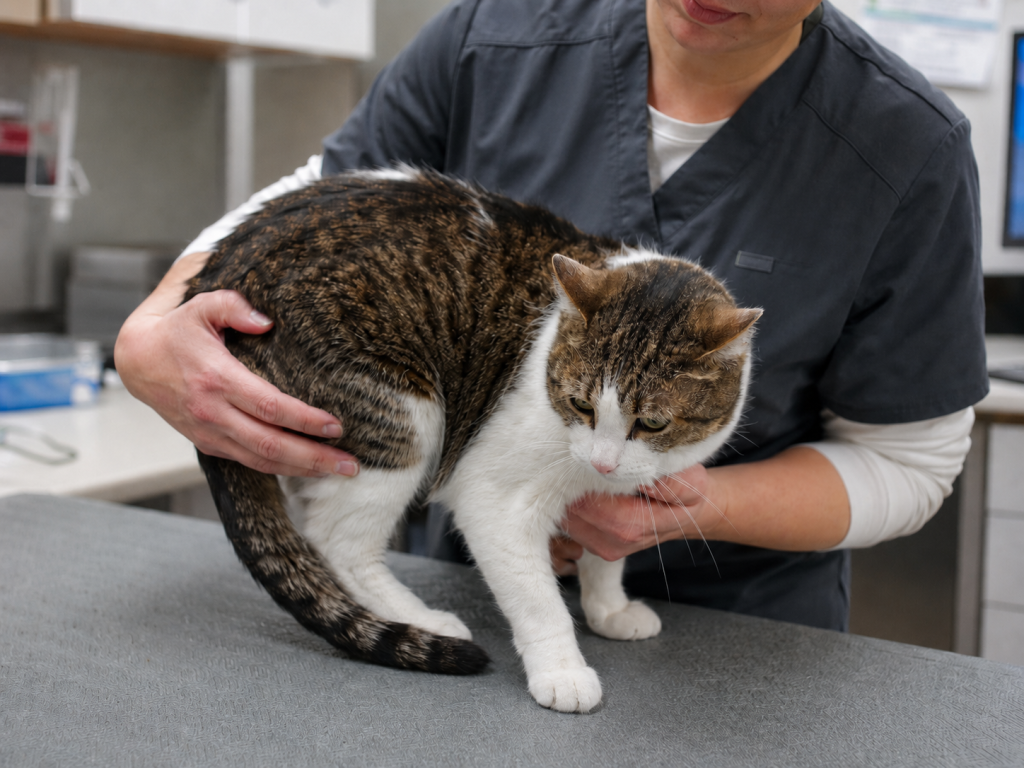
Pain Management for Dogs and Cats
Pets do not always show pain in obvious ways. Some dogs and cats cry or limp, but many simply slow down, hide, avoid stairs, sleep differently, resist handling, or stop doing things they used to enjoy.
Veterinary pain management starts with understanding what hurts and why. Depending on your pet’s symptoms, our veterinarian may recommend an exam, diagnostic testing, imaging, medication, laser therapy, surgery, lifestyle changes, or a combination of care options.
Our goal is to help your pet stay as comfortable, mobile, and active as possible while treating the underlying condition when we can.
Signs Your Pet May Be in Pain
Pain signs can vary by species, personality, age, and health condition. Cats especially may hide discomfort, and many dogs keep moving even when they are sore.
Please contact us if you notice:
- Limping, stiffness, or difficulty getting up
- Reluctance to jump, climb stairs, walk, or play
- Hiding, restlessness, trembling, or changes in sleep
- Whining, growling, hissing, or unusual vocalizing
- Decreased appetite or trouble chewing
- Licking, chewing, or guarding one area of the body
- Changes in posture, grooming, litter-box habits, or behavior
If your pet has sudden severe pain, collapse, trouble breathing, a suspected fracture, a major wound, or rapidly worsening symptoms, seek veterinary care promptly.
Acute Pain and Chronic Pain
Acute pain often develops suddenly after an injury, illness, surgery, dental problem, wound, or infection. Chronic pain lasts longer and may come from conditions such as arthritis, orthopedic disease, dental disease, back pain, or ongoing inflammation.
Examples of acute pain may include:
- A wound, bite injury, or abscess
- A sudden limp or suspected sprain
- Post-surgical discomfort
- Dental pain or a broken tooth
- Abdominal pain, urinary discomfort, or infection-related pain
Examples of chronic pain may include:
- Arthritis or degenerative joint disease
- Long-term back, hip, knee, or elbow pain
- Mobility problems in senior pets
- Ongoing dental disease
- Persistent skin, ear, or inflammatory conditions
Both acute and chronic pain deserve attention. Our team can help determine whether your pet needs immediate care, diagnostic workup, long-term management, or follow-up monitoring.
Diagnosing the Cause of Pain
Effective pain management begins with a careful evaluation. During an appointment, our veterinarian will review your pet’s history, symptoms, activity level, appetite, medications, and any changes you have noticed at home.
Depending on the concern, we may recommend:
- A physical examination and pain assessment
- Orthopedic or neurologic evaluation when appropriate
- Digital X-rays for injuries, arthritis, chest, abdominal, or orthopedic concerns
- Veterinary ultrasound for selected internal or soft-tissue concerns
- Laboratory testing to evaluate illness, organ function, infection, or medication safety
- Referral for advanced diagnostics or specialty care when needed
Once we understand the likely cause of your pet’s discomfort, we can recommend a pain-management plan that fits your pet’s condition and overall health.
Multimodal Pain Management
Many pets benefit from a multimodal approach, which means combining more than one type of therapy when appropriate. This can improve comfort while reducing reliance on a single treatment option.
Your pet’s plan may include:
- Pain-relief medication when appropriate
- Anti-inflammatory treatment when safe for the patient
- Veterinary laser therapy
- Weight-management and nutrition support
- Activity modification and controlled exercise
- Home-environment changes, such as ramps, rugs, or easier access to resting areas
- Surgery or referral when the underlying problem requires it
We tailor recommendations to your pet’s diagnosis, age, lifestyle, health status, and ability to tolerate specific treatments.
Pain Management After Surgery
Pain control is an important part of recovery after surgery. Our team considers the type of procedure, your pet’s age, medical history, comfort level, and recovery needs when developing a plan.
Post-surgical pain management may include:
- Medication before, during, or after the procedure
- Local or regional pain-control techniques when appropriate
- Incision protection and activity restriction
- Cold therapy, nursing care, or comfort support when recommended
- Laser therapy or other supportive care when appropriate
- Recheck visits to monitor healing and comfort
You can learn more about anesthesia, monitoring, recovery, and procedures on our pet surgery page.
Arthritis and Mobility Support
Arthritis and joint disease can make everyday movement uncomfortable. Dogs may slow down, hesitate before jumping into the car, limp after activity, or struggle to rise. Cats may stop jumping to favorite places, sleep more, groom less, or avoid the litter box if access becomes painful.
For arthritis or mobility concerns, we may discuss:
- Weight management to reduce stress on joints
- Safe exercise and activity adjustments
- Medication or joint-support options when appropriate
- Laser therapy or supportive modalities
- Home changes that make movement easier
- Orthopedic evaluation when limping, instability, or injury is suspected
Senior pets often benefit from regular comfort and mobility checks during preventive-care visits.
Dental Pain, Oral Pain, and Eating Changes
Dental pain is easy to miss because many pets continue eating even when their mouths hurt. Bad breath, tartar, gum inflammation, chewing on one side, drooling, pawing at the mouth, or dropping food can all point to oral discomfort.
If your pet has signs of dental pain, we may recommend:
- An oral health evaluation
- Professional dental cleaning
- Dental X-rays when indicated
- Treatment for infected, loose, fractured, or painful teeth
- Medication or follow-up care when appropriate
Learn more about oral exams, dental cleanings, extractions, and home care on our pet dental care page.
Safe Medication Use for Pets
Never give human pain medications to your pet unless a veterinarian specifically tells you to do so. Some common human medications can be dangerous or even life-threatening for dogs and cats.
Before recommending pain medication, our veterinarian may consider:
- Your pet’s age, weight, and species
- Kidney, liver, stomach, heart, or bleeding concerns
- Current medications and supplements
- Previous medication reactions
- Recent bloodwork or other lab results
- The type and severity of pain being treated
If your pet is already taking medication from another veterinarian, bring the medication names and dosing information to the appointment.
Rechecks and Long-Term Comfort Plans
Pain management is not always a one-time decision. Pets with arthritis, chronic disease, recurring injuries, or long-term discomfort may need rechecks so we can adjust the plan as their needs change.
Follow-up visits may help us:
- Monitor comfort and mobility
- Check for side effects from medication
- Update activity or weight-management recommendations
- Review home observations from your family
- Adjust treatment as your pet ages
- Decide whether more diagnostics or referral may help
Small changes at home can matter. Let us know if your pet has trouble with stairs, slick floors, getting into the car, jumping onto furniture, or using the litter box.
Schedule Pet Pain Management in Tulare, CA
Pet pain management in Tulare can help your dog or cat feel more comfortable, move more easily, and return to more of the activities they enjoy. If your pet is limping, slowing down, hiding, recovering from surgery, or showing behavior changes, our team is here to help.
Contact Sequoia Animal Hospital to schedule an exam or ask whether your pet may need a pain-management evaluation.
Reviewed for accuracy by Dr. Deol and the Sequoia Animal Hospital veterinary team.