
At Sequoia Animal Hospital, we provide pet microchipping in Tulare, CA, for dogs and cats. We welcome pet owners from Visalia, Farmersville, Tipton, and nearby communities throughout Tulare County. A microchip gives your pet permanent identification that can help shelters, veterinary hospitals, and animal control agencies contact you if your dog or cat is ever lost.
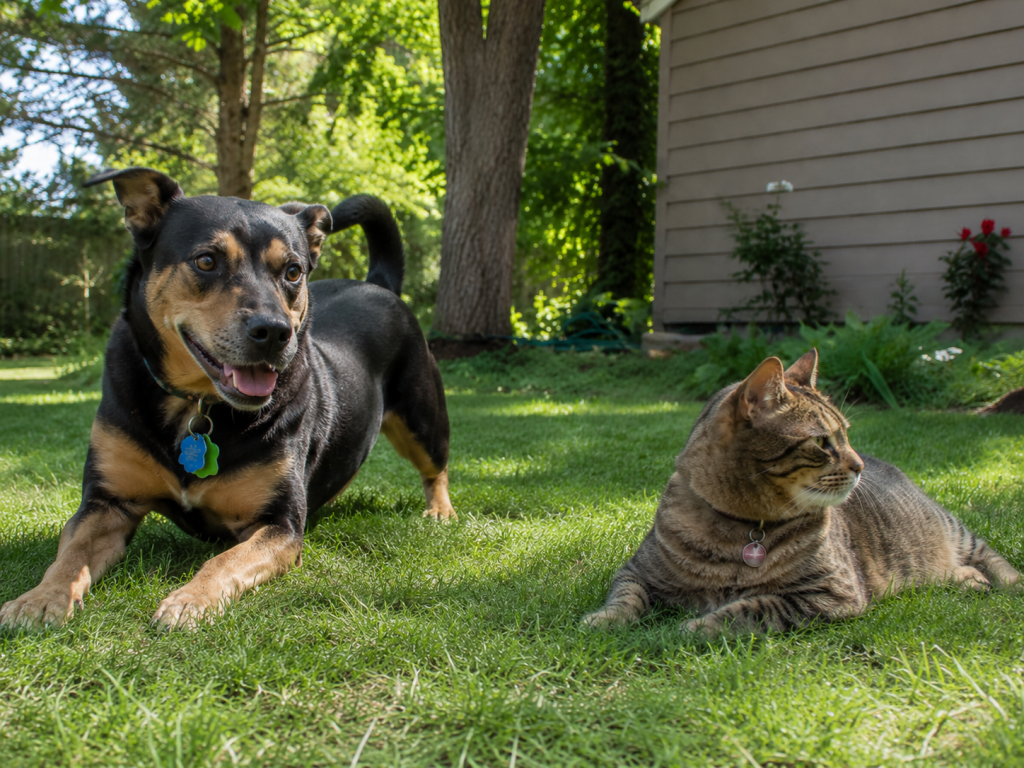
Microchipping for Dogs and Cats
A pet microchip is a small identification device placed under the skin, usually between the shoulder blades. The chip contains a unique identification number that can be read with a compatible scanner. When the microchip is registered with your current contact information, that number can help reunite you with your pet.
Microchipping is recommended for many pets because collars and tags can fall off, break, or become difficult to read. A microchip stays with your pet and provides an added layer of protection.
Microchips are commonly recommended for:
- Puppies and kittens
- Adult dogs and cats without permanent identification
- Recently adopted pets
- Indoor cats that could accidentally get outside
- Pets that travel, board, visit groomers, or go to daycare
- Pets that are anxious, escape-prone, or easily startled
If you are unsure whether your pet already has a microchip, our team can scan your dog or cat during an appointment.
Why Pet Microchips Matter
Even careful pet owners can experience an unexpected escape. Doors get left open, fences fail, pets slip out of collars, and frightened animals may run during storms, fireworks, travel, or stressful situations.
A registered microchip can help if your pet is found by:
- An animal shelter
- A veterinary hospital
- An animal control officer
- A rescue organization
- A good Samaritan who brings your pet somewhere with a scanner
The microchip itself does not track your pet’s location. It is not a GPS device. Instead, it provides a permanent ID number that connects to your registration record when the chip is scanned.
When Should Your Pet Be Microchipped?
Many pets can be microchipped during a routine wellness exam, puppy or kitten visit, vaccination appointment, or another scheduled veterinary visit. The right timing depends on your pet’s age, size, health, and comfort level.
Microchipping may be especially helpful when:
- You adopt a new puppy, kitten, dog, or cat
- Your pet does not already have permanent identification
- You are updating vaccines or preventive care
- Your pet will be traveling or boarding
- You are moving or updating your contact information
- Your pet is scheduled for a procedure and you would like microchipping done at the same visit when appropriate
Our team can discuss the best timing for your pet and answer questions about registration and record updates.
What Happens During a Microchip Appointment?
Microchip placement is usually quick. The microchip is placed under the skin with a needle designed for this purpose. Most pets tolerate the procedure well, though some may react briefly to the pinch.
During a pet microchipping appointment, our team may:
- Scan your pet first to check for an existing microchip
- Confirm your contact information
- Place the microchip under the skin
- Scan the chip after placement to confirm it can be read
- Explain how registration works
- Remind you how to keep your information current
If your pet is nervous or difficult to handle, please let us know. We can talk through the safest and least stressful way to complete the visit.
Microchip Registration and Contact Information
A microchip is only helpful if the registration information is accurate. After the chip is placed, the microchip number must be connected to your name, phone number, address, and email through the appropriate registry.
You should update your microchip registration whenever:
- You move to a new address
- Your phone number changes
- Your email address changes
- Your pet changes ownership
- Your emergency contact changes
- You are unsure whether the chip was ever registered
If your pet already has a microchip but you are unsure whether the registration is current, we can scan the chip and help you understand the next step.
Microchips, Collars, and ID Tags
Microchips are an important form of permanent identification, but they should not replace collars and ID tags for pets that can safely wear them. A visible tag may help a neighbor or good Samaritan contact you quickly, while a microchip provides backup identification if the collar is lost.
For stronger identification, we recommend:
- A registered microchip
- A collar with a current ID tag when safe for your pet
- A tag with a current phone number
- Updated records after a move or phone-number change
- A recent photo of your pet in case they are ever lost
This combination gives your pet more than one way to be identified if they become separated from you.
Microchipping Puppies and Kittens
Puppies and kittens can be curious, quick, and unpredictable. Microchipping early in life helps establish permanent identification before an accidental escape ever happens.
During early-life visits, we can discuss microchipping along with:
- Puppy and kitten vaccinations
- Parasite screening and prevention
- Nutrition and growth
- Behavior and socialization
- Spay or neuter timing
- Safe travel and household routines
If you recently adopted a young pet, bring any available records so we can check whether a microchip has already been placed.
Microchipping Adult and Senior Pets
Adult and senior pets can also benefit from microchipping. Even pets that rarely go outside can become lost after a door is left open, a carrier breaks, a car trip becomes stressful, or a loud noise causes panic.
Microchipping may be especially useful for adult and senior pets that:
- Were adopted without complete records
- Have moved to a new home
- Do not tolerate collars well
- Travel with the family
- Are anxious during storms, fireworks, or car rides
- Have outdated or uncertain microchip registration
It is never too late to ask whether microchipping makes sense for your dog or cat.
Microchipping and Travel
If your pet travels, a microchip can be especially valuable. Pets may become disoriented in unfamiliar places, and some travel documentation or destination requirements may involve microchip identification.
Before traveling, it is wise to:
- Confirm your pet’s microchip can be scanned
- Make sure your registration information is current
- Check whether your destination has specific microchip or health-certificate requirements
- Keep vaccination and medical records organized
- Ask our team about pet travel health certificates
If you are planning domestic or international travel with your pet, contact us early so we can help you understand timing, documentation, and appointment needs.
Schedule Pet Microchipping in Tulare, CA
Pet microchipping in Tulare gives your dog or cat permanent identification that can help bring them home if they are ever lost. Our team can scan for an existing chip, place a new microchip when needed, and explain how registration works.
Contact Sequoia Animal Hospital to schedule a microchip appointment or ask whether your pet’s existing microchip should be scanned.
Reviewed for accuracy by Dr. Deol and the Sequoia Animal Hospital veterinary team.